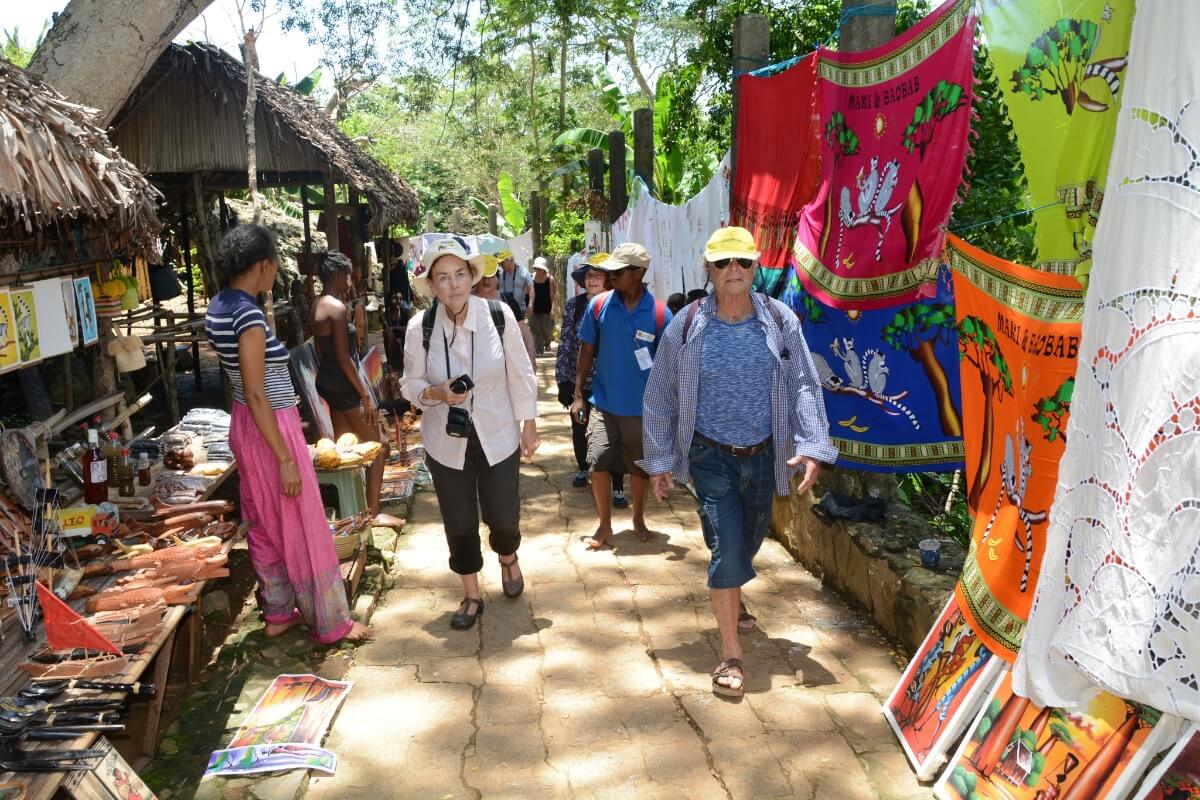
The SAVA Region
Discover the world capital of vanilla, between fragrant plantations, ancestral know-how and exuberant nature
Located in the northeast of Madagascar, the SAVA region is a preserved natural gem, still relatively untouched by mass tourism. It captivates with the diversity of its landscapes, the richness of its culture, and the authenticity of its traditions, deeply rooted in the daily lives of the inhabitants.
Benefiting from a hot and humid equatorial climate, the SAVA region is covered with dense, verdant vegetation.
🌧️ From December to April, the rainy season brings sometimes intense but often short-lived downpours.
☀️ From May to November, the dry season offers ideal conditions for travel: pleasant temperatures between 22°C and 30°C (72°F and 86°F), and abundant sunshine.
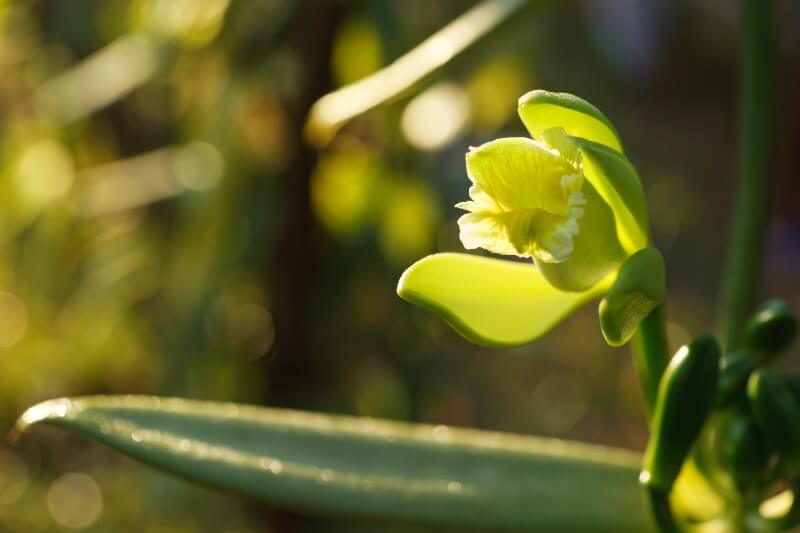
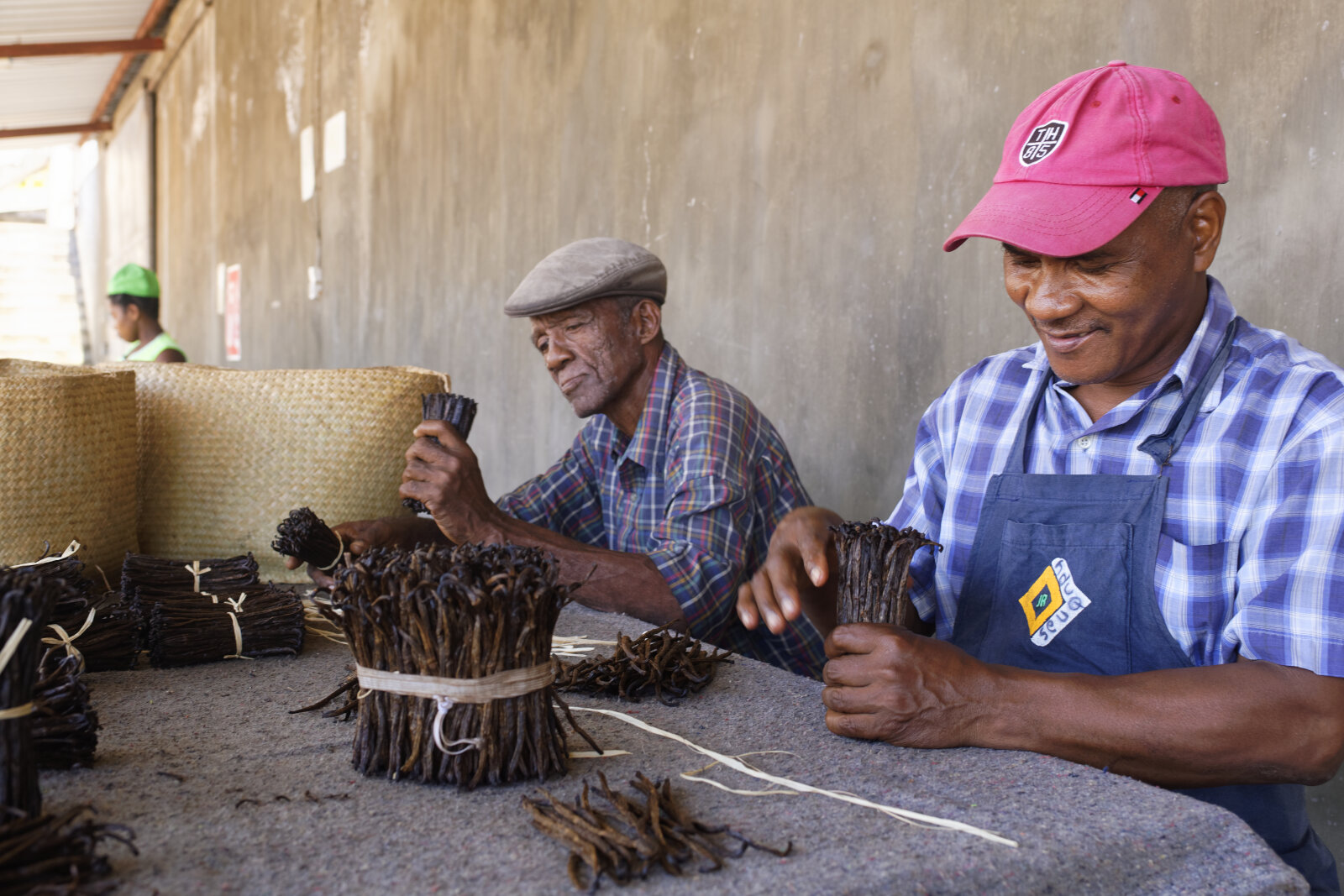
This unique climate creates an ideal environment for growing tropical spices, particularly Bourbon vanilla, which is the birthplace of the region. With over 80% of the country's production exported, the SAVA region is recognized as the vanilla capital of the world.
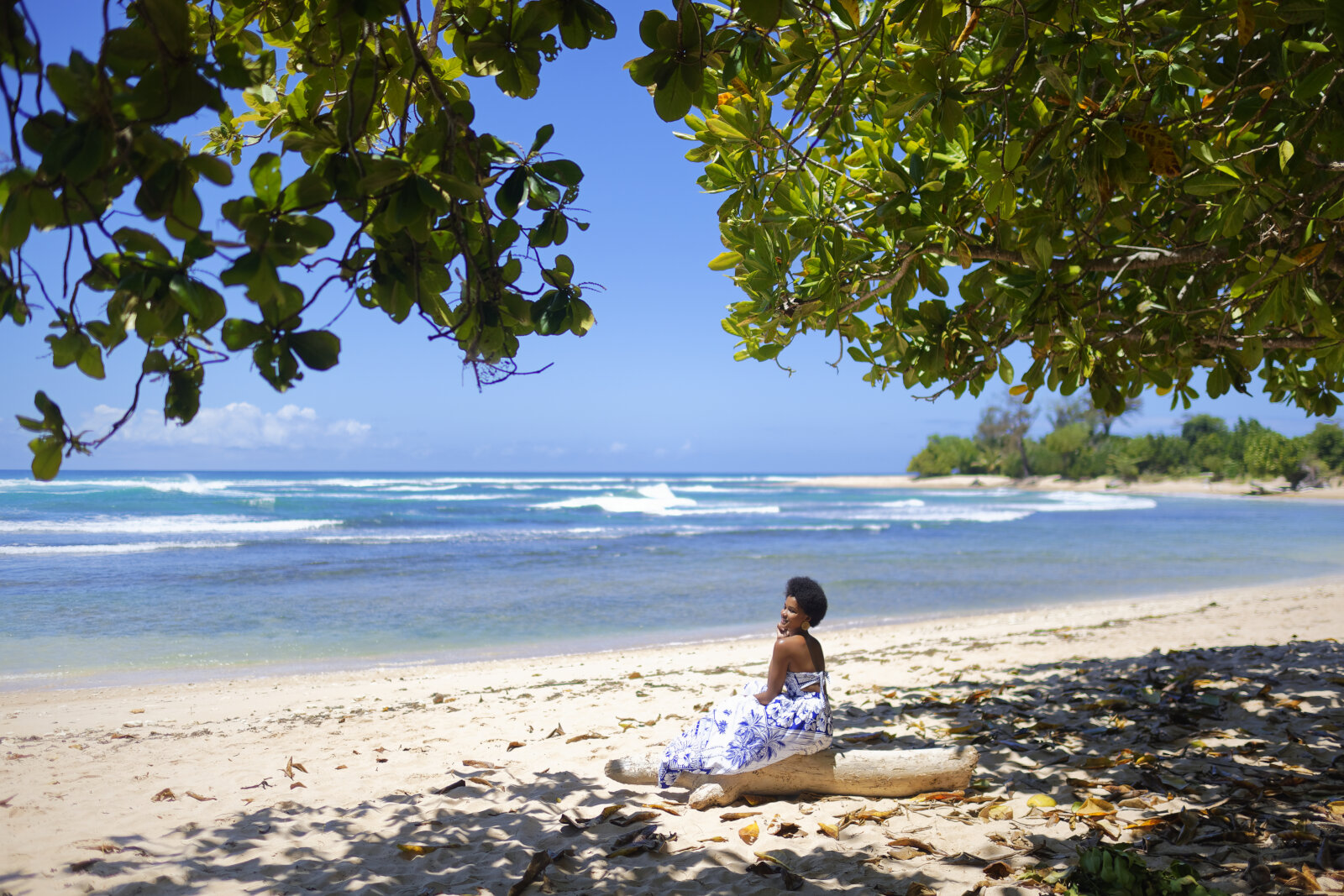
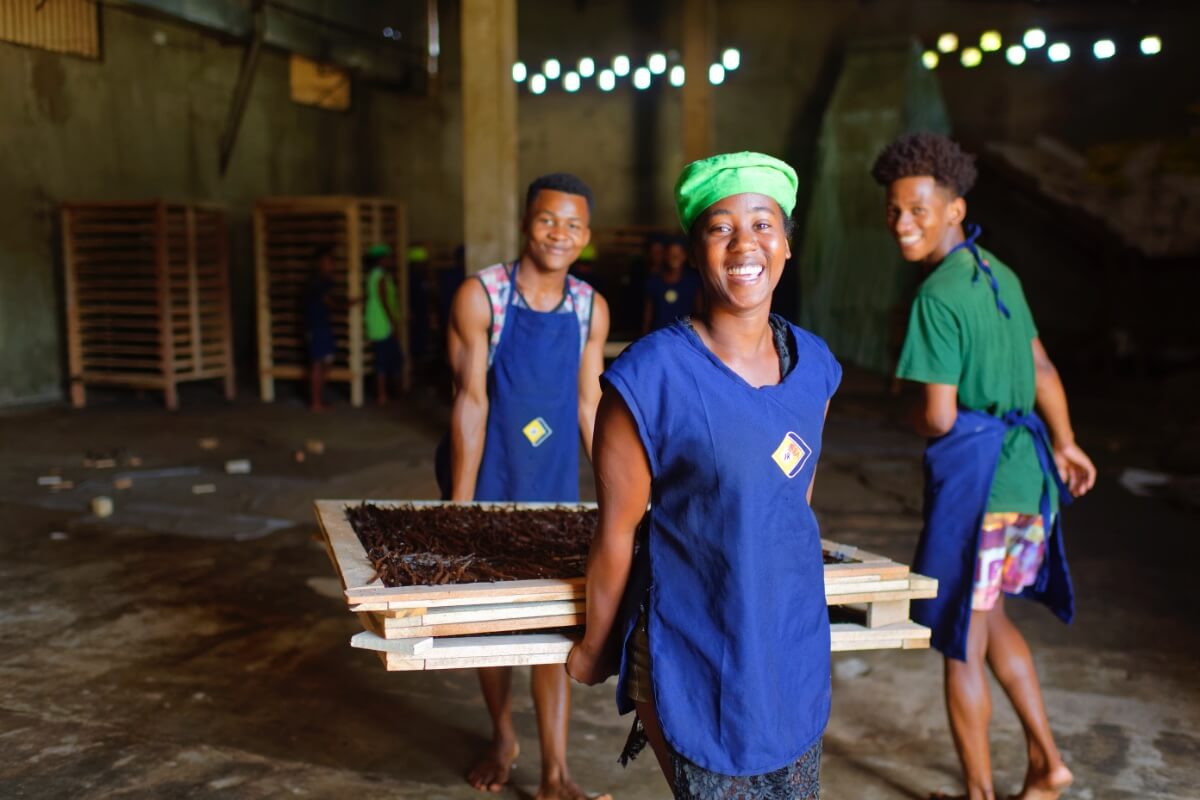
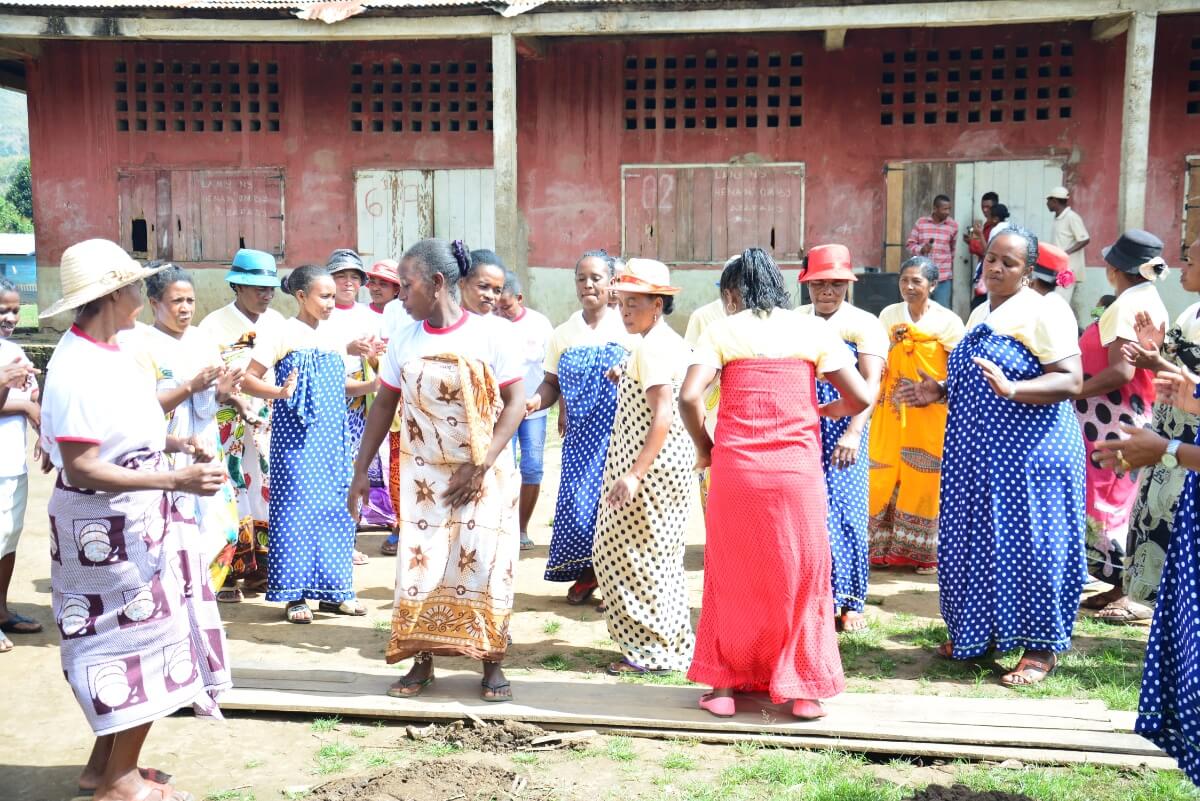
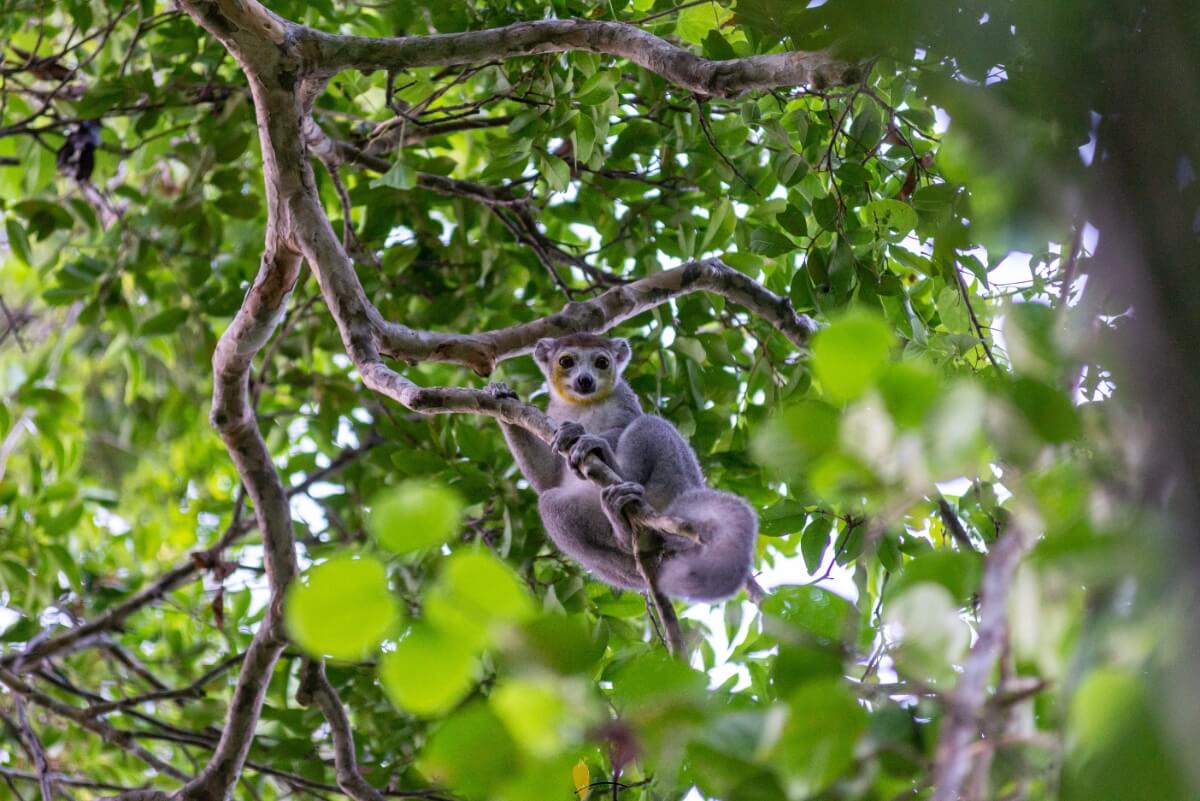
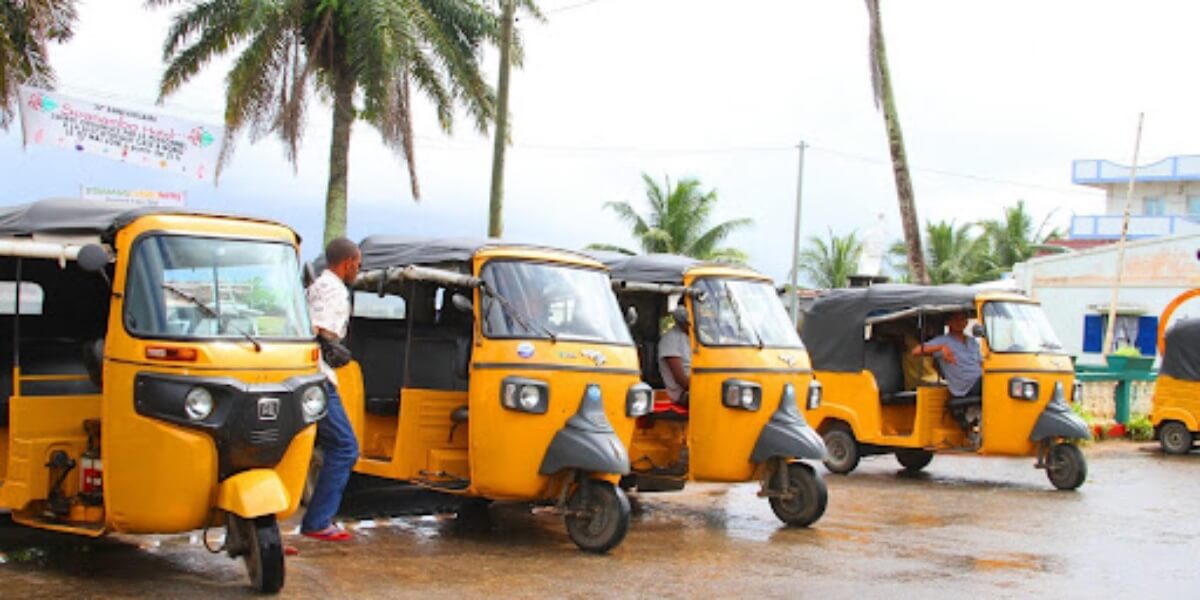
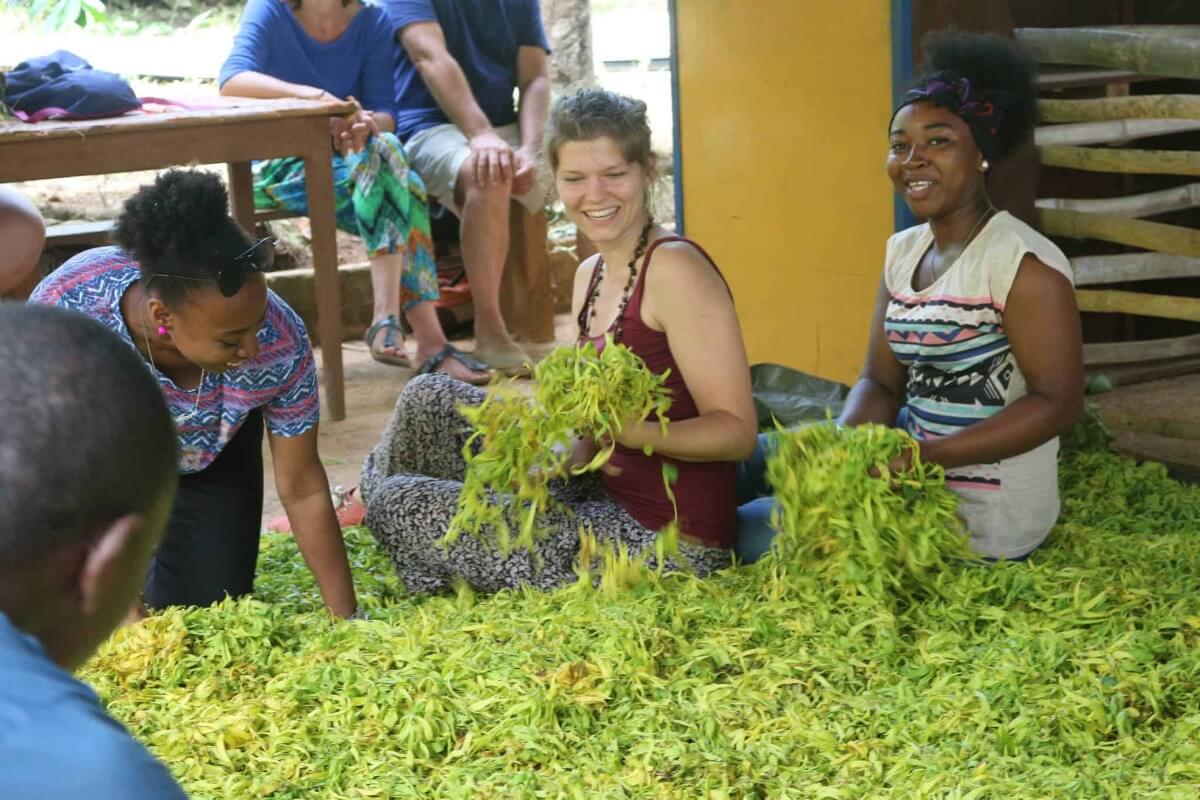
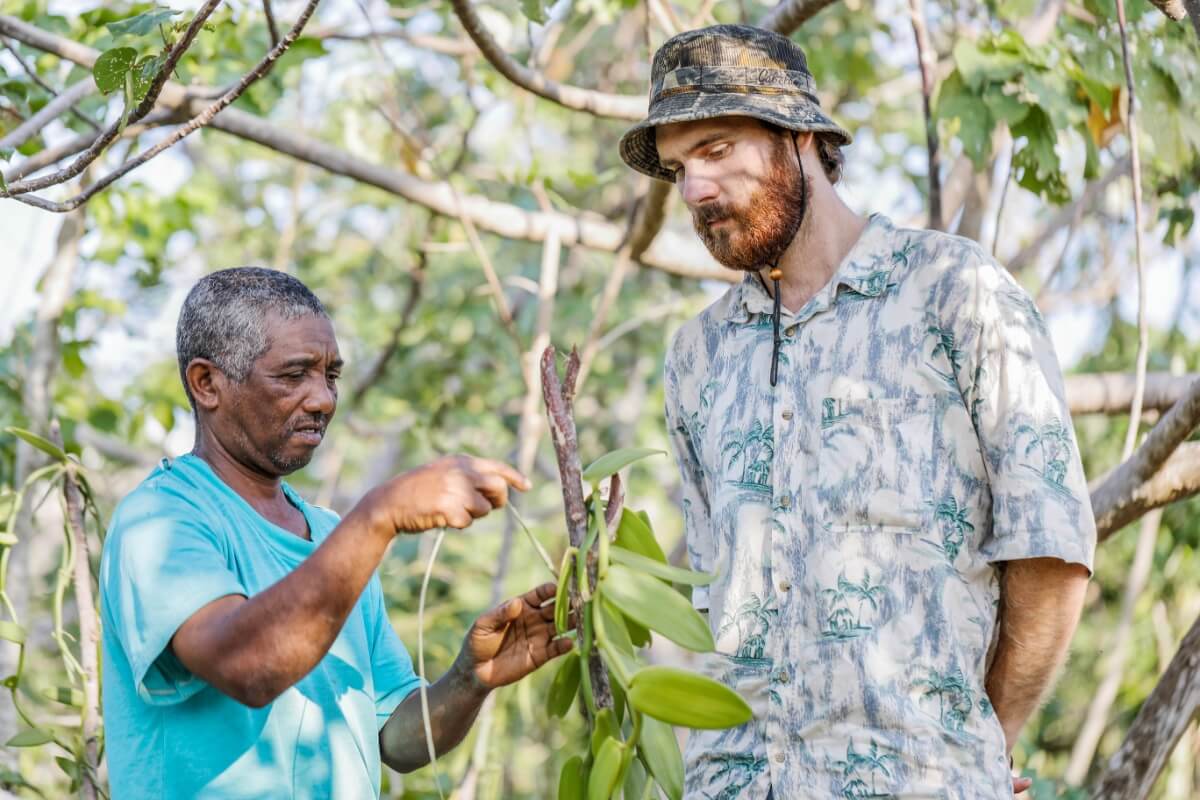
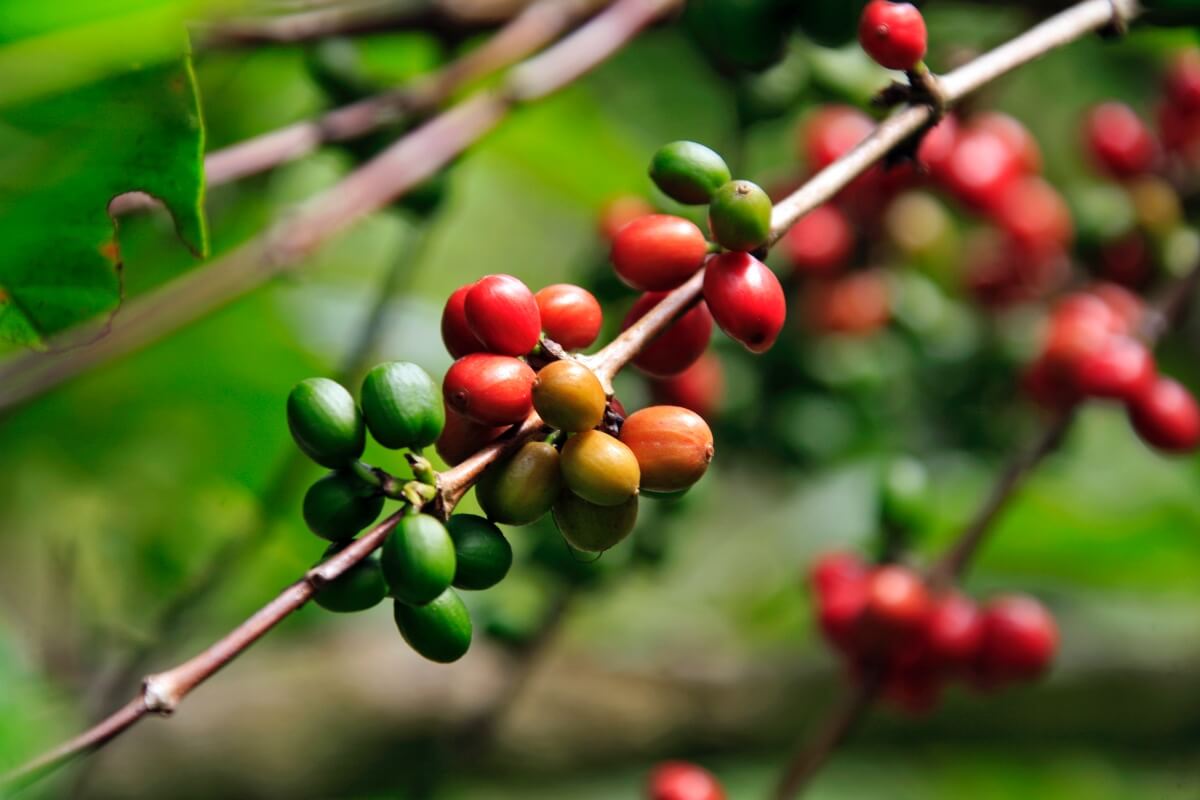
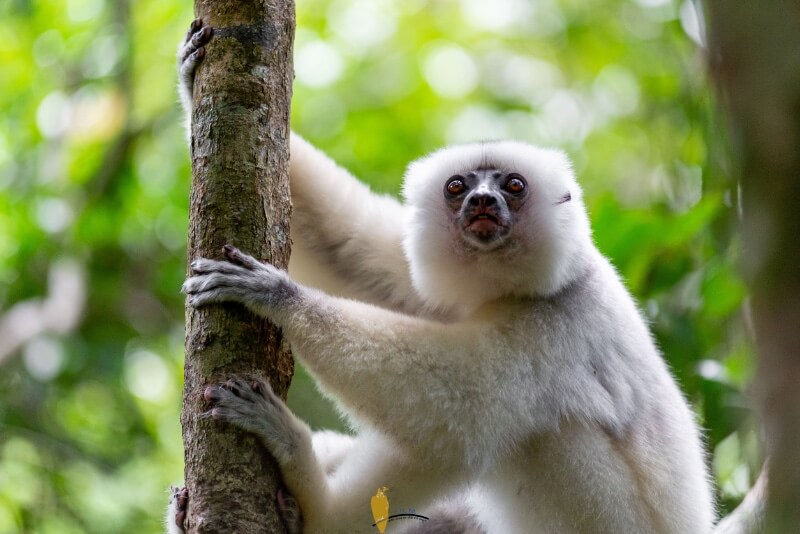
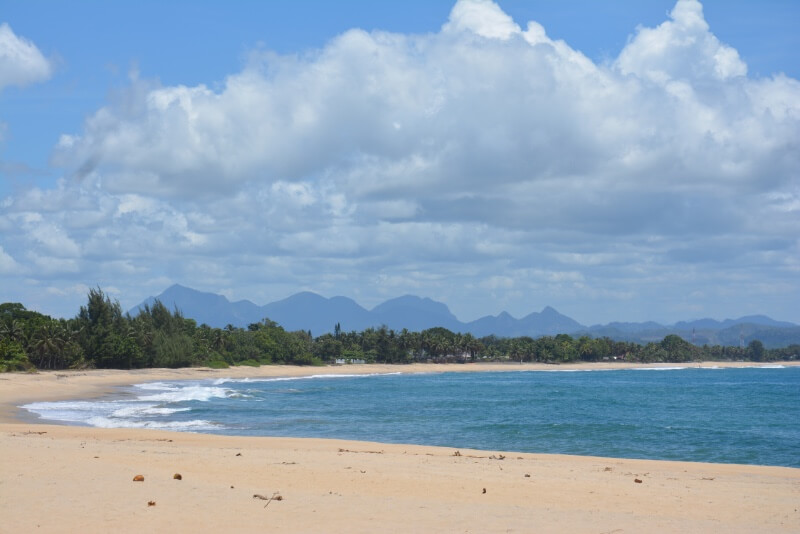
But beyond this renown, the region reveals a magnificent and unspoiled natural environment: primary forests, misty mountains, wild beaches, and winding rivers create a landscape of rare beauty, inviting adventure, contemplation, and encounters.
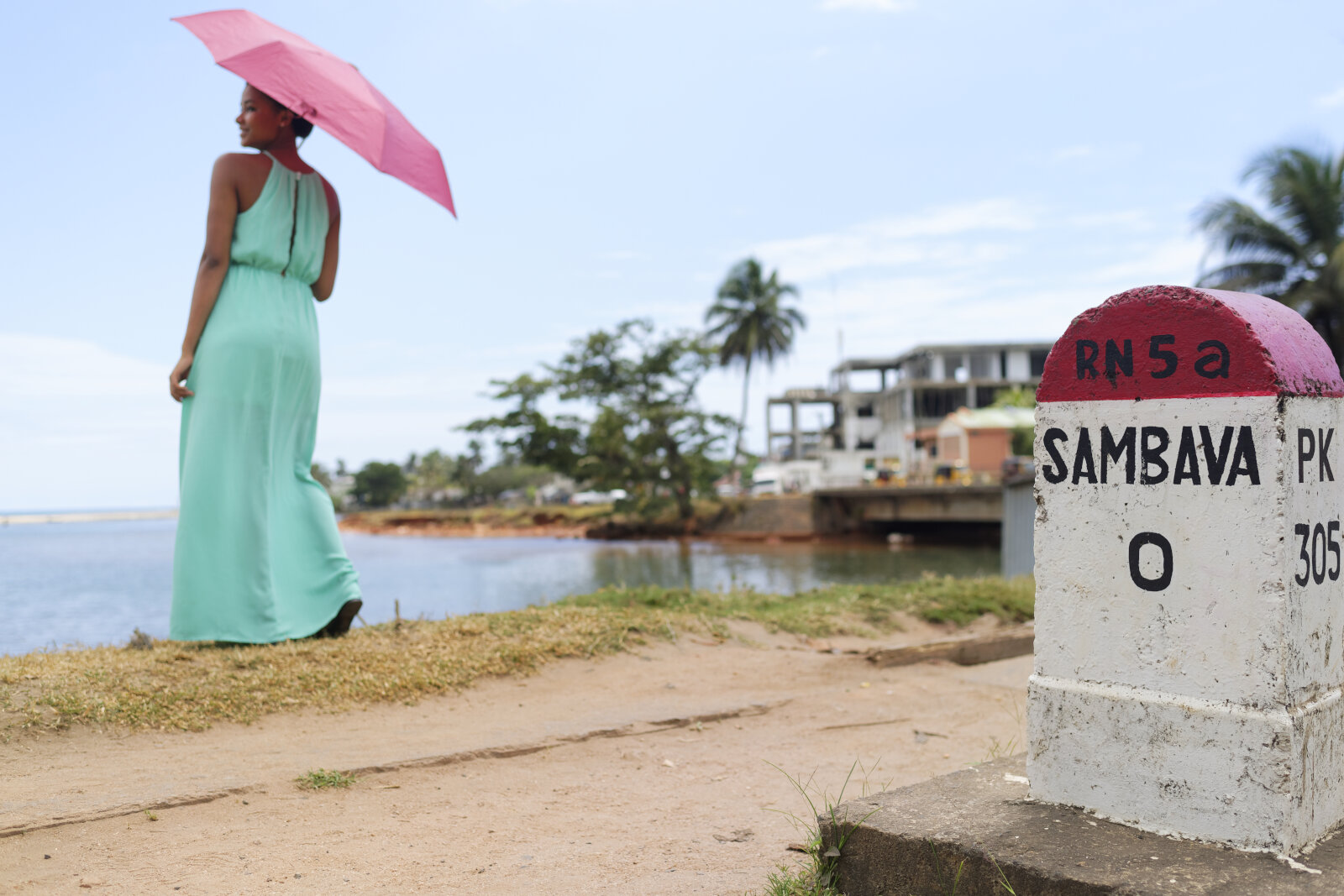
The name SAVA combines the initials of its four emblematic towns: Sambava, Antalaha, Vohemar, and Andapa, which together form the famous "green triangle of vanilla." This fertile territory, nestled between the interior and the Indian coast, embodies all the agricultural, cultural, and human wealth of northeastern Madagascar.
Here, lush nature, ancestral agricultural knowledge, and vibrant customs intertwine to shape a unique identity, both proud of its roots and focused on a sustainable future. A region to be discovered with respect, curiosity... and all the senses awakened.
🌿 A region to preserve, a tourism to rethink
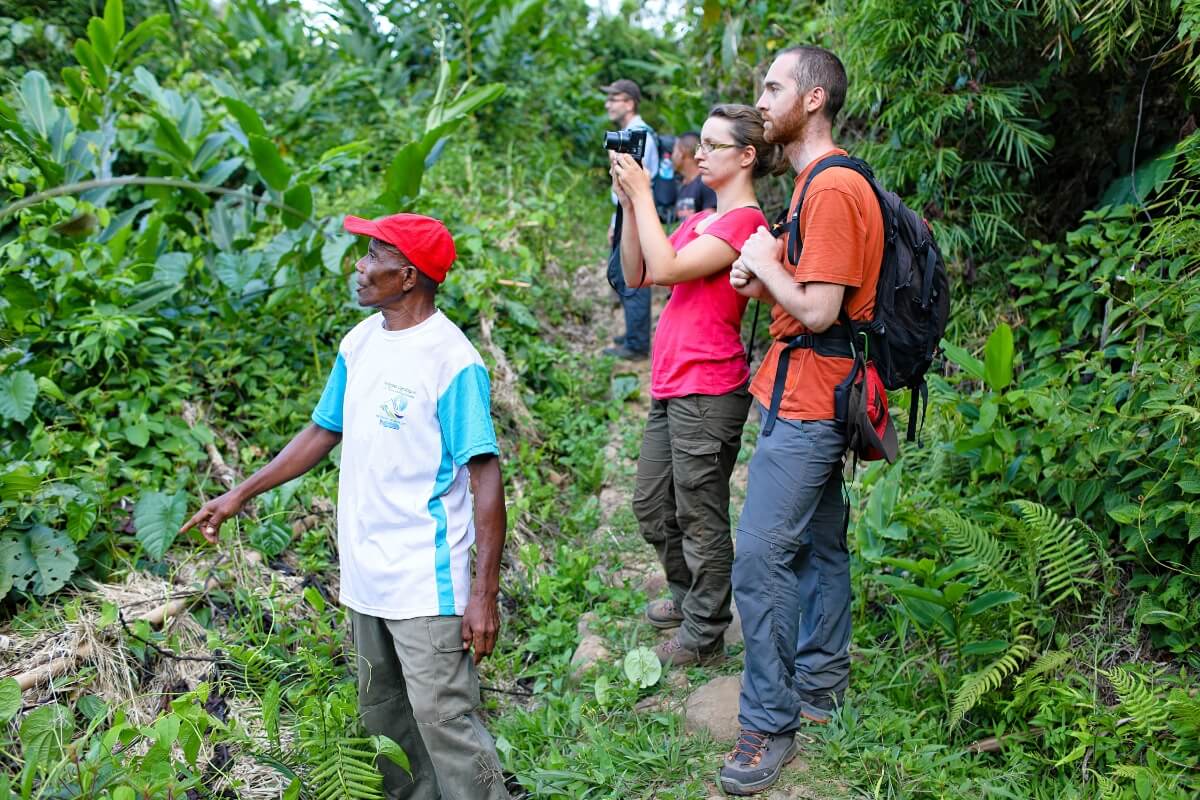
Thanks to its immense natural wealth, the SAVA region plays a key role in the conservation of global biodiversity. This is why many local initiatives, supported by responsible stakeholders like Soaland Discovery, are committed to sustainable, equitable, and participatory tourism that truly benefits local communities and nature.
Must-see sites